Liiga-provot: Jokerit is stepping into a familiar trap
In the Liiga-provot series, three sharp statements about the domestic top league are highlighted weekly. In these opinions, the lines are drawn boldly, and no mercy is given or hostages taken.
This time, the focus is on the upcoming season, Mestis, and the finances of Liiga clubs.
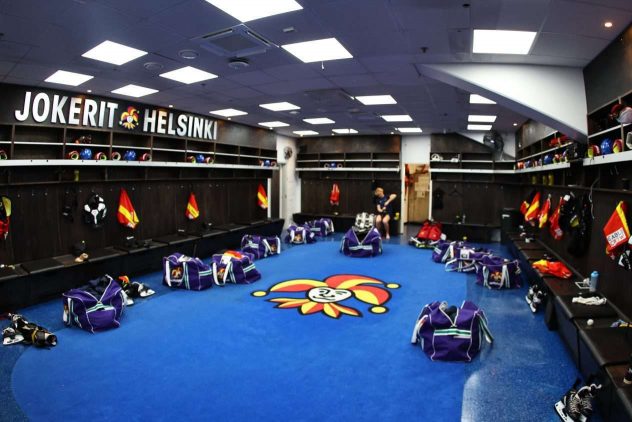
Jokerit is stepping into a familiar trap
The acquisitions for Jokerit next season have been at the center of hot speculation in recent weeks. There are so many transfer rumors circulating that it makes sense to break them down by position.
For Jokerit’s forward line next season, there are rumors of Antti Kalapudas from SaiPa, Maxime Fortier, and Emil Kuusla. From KalPa, Patrick Curry is rumored to be jumping to the Jokerit jersey.
According to rumors, Eric Gelinas from Lukko has been secured for the defense of the Helsinki team. The goaltending department will be bolstered by Swedish goalie Olle Eriksson Ek from IF Björklöven.
Money has been spent, and quite a bit. Instead of investing in scouting ECHL players, the club’s office has decided to focus on monetary amounts in contract offers. The team for next season has been assembled from star players of other Liiga clubs who did not have contracts for the upcoming season.
In Mestis, Jokerit reinvented itself. The club was sympathetic, trusted its own youth and junior production. Now, as brighter lights call, its own values have been thrown out the window, and star players have been bought left and right with the gleam of success in their eyes.
Historically, this style has not led Jokerit to success. It remains to be seen how it will go next season, when it will be determined whether Jokerit belongs in the A or B league.

There is reason for panic in Joensuu
Joensuu Kiekko-Pojat have a historically great opportunity. If the club manages to win the Mestis championship this season or lose in the finals to Jokerit, the Joensuu team will move up to Liiga next season. At the moment, it seems that Joensuu has counted its chickens before they hatch.
At the beginning of the season, Kiekko-Pojat were in tremendous form. Before the historic shareholders’ meeting of Liiga on November 27, the team had played 18 games and collected 36 points, which is two points per game. After the shareholders’ meeting, Kiekko-Pojat have played 19 games and collected 22 points, which is 1.16 points per game.
Did the potential Liiga spot start to cause anxiety in Joensuu this badly?
Kiekko-Pojat have tried to turn their course with countless acquisitions, but with little success. They have brought in Roni Sevänen and Viktors Kurbaka for defense, Santeri Hartikainen, Denis Kusy, and Jake Smith for offense, and Kasimir Kaskisuo for the goaltending department.
Now Kiekko-Pojat have slipped to fourth place in the standings, and soon Kiekko-Vantaa will be passing them. It looks very much like the pressure to succeed is crushing the Joensuu team at the worst possible moment.
Money is burning – who will ultimately pay?
Yle Urheilu reported earlier that the salaries of Liiga players are skyrocketing. According to Yle, Patrick Curry is moving to Jokerit with a price tag of 400,000 euros, taking into account employer costs and taxes.
– A player who previously cost 75,000–80,000 euros now costs 130,000–140,000, one sports director told Yle.
Based on this information, the question arises: how will these salaries be paid? Will clubs raise ticket prices? Will they expand into new areas to cover hockey operation costs? Is there expertise within the club for that? Will they beg fans and partners for money through public fundraising campaigns more often than before? Will they collect money from Turkish donors?
What is certain is that at least the profitable results from previous years cannot be used to cover rising salary costs, as there have been no profitable results. The last few years have been financially bleak for Liiga clubs. It is frightening to think about how many bankruptcy victims are to come in the following years.
Ultimately, Liiga clubs are dependent on the well-being of Finnish consumers, and player budgets cannot grow faster than Finland’s overall economic growth for long.
Read more









- Rasmus Ristolainen’s torment continues in the NHL – yet another terrible setback
- TPS star received a massive ban for biting – TS: Denies the accusations
- A terrible setback for SHL’s Finnish star in Sweden – a long sick leave is looming
- The league’s star defender received a suspension – the disciplinary committee dismissed the explanation
- IL: Jukka Jalonen’s new job was revealed
- IS: HIFK has signed the head coach of a competitor – negotiations are already advanced!
- Urheilucast: Jori Lehterä opened the door for the league’s championship favorite – this will decide everything!
- Lehtitieto: The Liiga club loses its point machine – a new club is already known!
- The Young Lions team announced – now the final performances are given before the World Championship selections
- Jussi Tapola steps aside from the Lions – an experienced name as a replacement